June 2, 2026
A Region in Play: The Growth of Casinos Across New England
Jacob Medici
Founder
Summary
New Hampshire's casino industry has exploded in the past two years, jumping from $35 million in state revenue to over $60 million after the introduction of real slot machines and the removal of betting limits. In Massachusetts, Plainridge Park Casino is pushing the legislature to allow live table games while a brand-new tribal casino from the Mashpee Wampanoag Tribe has grown from 10 slot machines in trailers to a 200-machine operation in under a year. Connecticut's Foxwoods and Mohegan Sun continue to lead the region, with Foxwoods adding celebrity restaurants, a renovated poker room, and a $300 million Great Wolf Lodge water park in 2025. Across all three states, the story is the same: markets that once deferred to Connecticut are now building industries of their own, and the competition for players across New England is only getting sharper.
A Region in Play: The Growth of Casinos Across New England
For decades, New England's casino scene began and ended in southeastern Connecticut. Two massive tribal resorts pulled visitors from across the Northeast, while neighboring states watched the money flow south. That's changed. New Hampshire now runs a half-billion-dollar gaming industry. Massachusetts has a new tribal casino taking shape in Taunton. Foxwoods just opened a water park. The region looks nothing like it did five years ago.
New Hampshire: From Charity Halls to a Half-Billion Dollar Industry
The transformation in New Hampshire has been fast enough to catch even industry observers off guard. The state collected $35.2 million from charitable gaming in 2024. In 2025, that number climbed to $60.2 million, a jump of more than 70 percent in a single year. Total casino betting in the state, including operator revenues, now sits at roughly half a billion dollars annually. A 2024 state-commissioned study projected the industry could hit $1.1 billion within three years if four or more casinos currently in development open as planned.
The engine behind most of that growth has been historic horse racing machines, known as HHR terminals. They look and play like slot machines, but their outcomes are tied to results from past horse races rather than a random number generator. New Hampshire adopted HHR earlier than most states, and by the end of fiscal year 2024, nearly 2,000 active terminals were running across the state. That number was on track to nearly double to around 4,300 by the close of fiscal year 2025. In FY2024, those machines generated $128.9 million for casino operators, compared to $40.4 million from traditional games like poker and blackjack.
Then came the 2025 budget. Governor Kelly Ayotte signed two significant changes into law: HHR-licensed casinos could now offer actual slot machines, and the state's $50 betting limit was eliminated entirely. Real slots debuted in select New Hampshire casinos before the end of the year. The Lottery and Gaming Commission estimated the machines would average $300 per day per unit, versus $200 from HHR terminals. Video lottery games are now on pace to bring in $75 million a year on their own.
The Brook in Seabrook and Ocean Gaming Casino in Hampton have both grown with the market. The charitable structure that New Hampshire gaming runs on means a slice of every dollar wagered goes to local nonprofits. Donations to those organizations hit $64 million in 2025, up from $39.3 million the year before. That arrangement has kept political opposition relatively quiet, which is part of why the industry has been able to move this quickly.
Massachusetts: Plainridge Pushes for More, and a New Casino Rises in Taunton
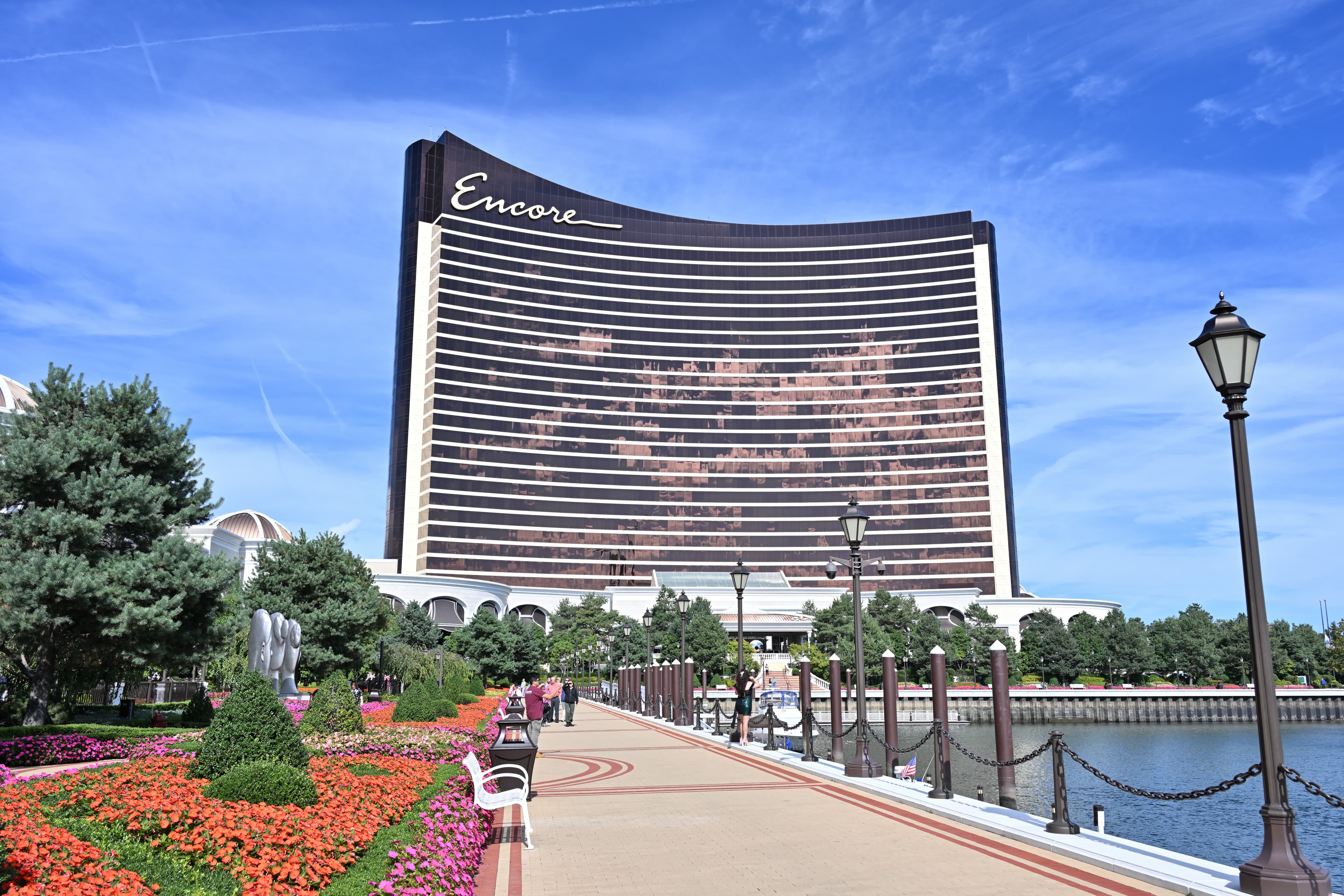
Massachusetts has tighter rules. The Expanded Gaming Act of 2011 authorized two resort casino licenses and one slots parlor statewide. Encore Boston Harbor and MGM Springfield hold the resort licenses. Plainridge Park Casino holds the slots parlor license and is unlikely to get a third resort license anytime soon.
Plainridge has been pushing against that classification for a while. The facility has over 900 slot machines, 59 electronic table games, and video poker, but no live-dealer tables. That's a real disadvantage when Encore and MGM can offer the full casino experience. In November 2025, Plainville's Select Board and Town Administrator went before the Joint Committee on Economic Development and Emerging Technologies to make the case for amending the gaming act to allow limited live table games at the property. They cited more than $64 million in annual contributions to state and local aid, nearly $15 million to the Race Horse Development Fund, and the jobs that depend on Plainridge staying competitive. The Massachusetts Gaming Commission renewed Plainridge's Category 2 license for another five years in August 2025, but the table games question still needs to go through the legislature.
South of Plainridge, something genuinely new is happening. The Mashpee Wampanoag Tribe spent over a decade fighting legal challenges from local opponents before winning in court in 2024. In January 2025, they opened the First Light Casino Welcome Center in East Taunton, which at the time was a 2,000-square-foot space in temporary trailers with 10 slot machines. That opening was not the story. By March 2025 the count was up to 50 machines. In late July 2025, the tribal gaming authority tore out a wall overnight and expanded to over 200 machines, more than tripling the floor space. The facility added a bar, free drinks for rewards members, and kept extending hours until settling on 8 a.m. to 2 a.m. daily as of January 2026.
First Light is still running out of trailers. But the tribe's long-term plan describes a full Class III resort on their 321-acre reservation, with live blackjack, poker, roulette, gourmet dining, and entertainment. The original intergovernmental agreement with Taunton calls for 3,000 slot machines, 150 table games, and 40 poker tables in phase one. Financing and federal approvals will set the construction timeline. But the pace of the welcome center's expansion suggests the tribe isn't waiting around.
Connecticut: The Region's Giants Keep Reinventing Themselves
Foxwoods Resort Casino and Mohegan Sun are still the biggest names in New England gaming, and both have been investing. In 2025, USA Today's 10Best Readers' Choice Awards put Mohegan Sun at No. 2 and Foxwoods at No. 3 nationally, outside Las Vegas. It was the fifth consecutive year Mohegan Sun landed on that list.
Foxwoods marked its 34th anniversary in February 2026 with a run of new additions. Gordon Ramsay's Hell's Kitchen and Momosan by Morimoto both opened at the resort. The Bedford by Martha Stewart was set to open in March 2026. A Fox Tower Innovation Zone for new gaming formats is in development. The poker room was relocated and renovated. The Great Wolf Lodge water park, a $300 million addition on 15 acres next to the resort, opened in April 2025, bringing in a visitor segment that wouldn't have come for the casino floor alone. Great Cedar Hotel renovations are still underway.
Mohegan Sun runs two casinos on its campus, Casino of the Earth and Casino of the Sky, and carries a wider variety of traditional Asian table games than most properties in the region. Both Connecticut properties face growing competition from the expansion happening around them. Their advantage is scale, loyalty programs, and a resort infrastructure that newer properties are years away from replicating.
What Comes Next
The region's gaming map has shifted more in the last two years than in the previous decade. New Hampshire went from modest charity game rooms to a regulated market with real slots and no betting caps. Massachusetts now has an active tribal casino for the first time, and Plainridge is making a credible case for the legislative changes it needs to compete on equal footing. Connecticut's two giants are spending on renovations and new amenities to hold their position.
What's driving all of it is competition. States and tribes that held back are watching their neighbors generate revenue they aren't, and they're adjusting. For players in the region, the result is more properties, more game options, and more choices closer to home. For the industry, the race for a share of what could be a billion-dollar-plus regional market has only recently gotten competitive.